
Posts from February 2026
26
How to Conduct a Prescribed Burn to Improve Your Rural Property
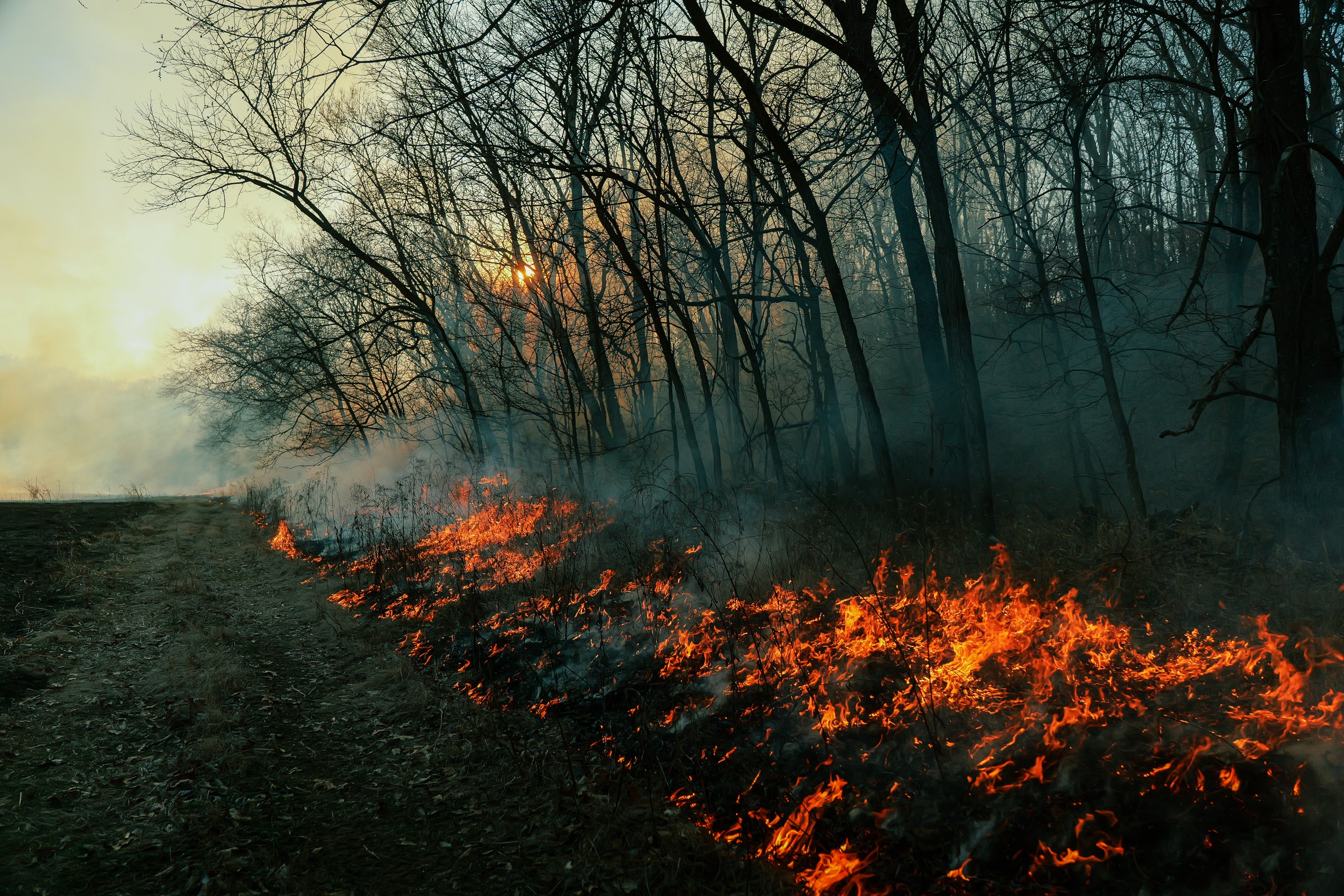
Fire built the Midwest. For thousands of years, periodic wildfire and intentional burns set by Native Americans shaped the prairies, savannas, and open woodlands that defined this landscape. The tallgrass prairies of Missouri, the oak savannas of Illinois, the grasslands of Iowa and Kansas — all of them evolved with fire and depend on it to stay healthy.
Today, less than one percent of the Midwest's original native prairie remains. Without fire, woody invasives creep in, dead thatch smothers new growth, and the diverse plant communities that support whitetail deer, wild turkey, bobwhite quail, and countless other species slowly disappear. Conservationists call this process the "green glacier" — and it's one of the biggest threats to rural land quality in our region.
20
What Makes Land a Unique Asset in Estate Planning?
If you're an estate planner, financial advisor, or CPA working with high-net-worth families, you've probably noticed something: land is different. It doesn't behave like a stock portfolio. It doesn't move like residential real estate. And it certainly doesn't feel like a bond. Yet most advisors treat it the same way they'd treat any other illiquid asset—with a referral to a generalist agent and a hope that things will work out. They usually don't.
Over my years working with families, advisors, and institutions across the St. Louis region, I've learned that land isn't just another asset class to liquidate. It's a category unto itself—one with unique risks, hidden complexities, and surprisingly high stakes. And if you're advising clients who hold significant land or farmland, you need to understand why treating it differently isn't optional. It's essential.
Why Land Is Fundamentally Different
Let me start with the obvious: land is illiquid